

The Clickjack Hack Review: What It Really Does, Who It’s For, and How to Use It Without Wasting Traffic
If you landed here, you’re probably weighing one simple question: is The Clickjack Hack a legitimate way to boost conversions, or just another shiny trick that collapses the moment real traffic hits it? This The Clickjack Hack review is written for marketers who want clarity, not hype. We’ll walk through what the product claims, where it can genuinely help, where it can backfire, and what you need to set up to use it responsibly in modern funnels.
The promise behind The Clickjack Hack is straightforward: turn more of your existing traffic into clicks and actions by influencing how users interact with the page. That’s a seductive promise because it targets the biggest pain point in performance marketing: you pay for traffic, but you can’t pay your way out of weak conversions.
At the same time, anything that even hints at “clickjacking” raises ethical, platform, and compliance considerations. So this review will be direct about what’s realistic, what’s risky, and how to think about it like a professional.
The Clickjack Hack in Plain English
The Clickjack Hack is positioned as a conversion focused tactic that helps marketers increase the likelihood that visitors click a button, a call to action, or a key page element. The underlying concept generally associated with clickjacking involves layering, framing, or visually guiding user clicks toward a target element.
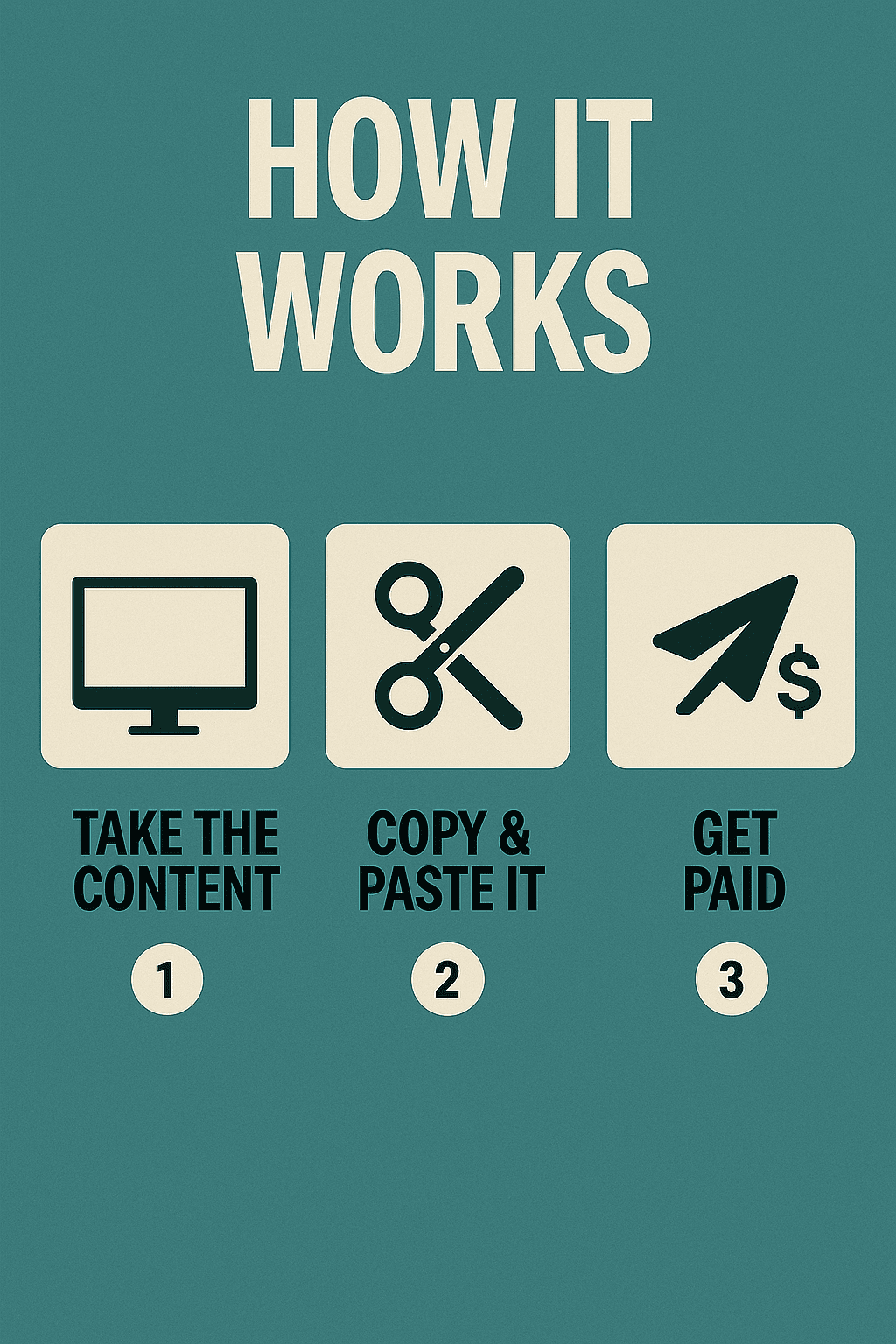
In legitimate marketing practice, the safest interpretation of this idea is not deception but attention engineering: improving click behavior through layout, intent driven flow, and persuasive interface design. The risky interpretation is attempting to trick users into clicking something they did not intend to click. The difference matters because one improves user experience and the other can violate policies, laws, and ad network rules.
This The Clickjack Hack review focuses on how to extract value while minimizing downside. If your goal is sustainable revenue, you want tactics that scale without burning domains, payment processors, or ad accounts.
Quick Summary: What You’re Buying
Based on the sales page positioning, The Clickjack Hack is meant to be a packaged method plus implementation guidance, aimed at marketers who want a faster path to improving click through and conversions. Most buyers will be using it for:
- Affiliate offers where the money is made after the click
- Bridge pages and pre sell pages
- Opt in pages and lead capture funnels
- Webinar registrations or demo bookings
- Sales pages where micro clicks increase momentum
That said, any method in this category lives or dies by execution and traffic quality. It can’t fix a bad offer, mismatched audience, or broken funnel tracking.
If you want to see what’s included and evaluate it in context, start here: Get The Clickjack Hack now.
The Clickjack Hack Review: What I Like (The “Wins”)
1) It attacks the highest leverage problem: conversion efficiency
Most marketers over focus on traffic. But the fastest profit improvements often come from increasing the value of existing visitors. If The Clickjack Hack helps you raise click through even modestly, that can multiply earnings across every campaign.
Example: If your bridge page sends 20 percent of visitors to an offer and you move that to 24 percent, that’s a 20 percent increase in outbound clicks with no extra ad spend. On paid traffic, that can be the difference between losing money and scaling.
2) It can be applied across multiple funnel types
Conversion improvement tactics are versatile. Whether you run:
- Affiliate review pages
- Email list builders
- Lead magnets
- Low ticket front ends
- Booking funnels
the same fundamental principle applies: reduce friction and increase intentional clicks. If The Clickjack Hack offers structured implementation steps, that can save time versus trial and error.
3) It can complement ethical UX and persuasion
The most profitable long term funnels combine:
- Clear messaging
- Strong offer alignment
- Trust signals
- Clean UI
- Intent based CTA placement
If you treat The Clickjack Hack as a way to refine how users move through your page rather than trick them, you can combine it with best practice CRO and see real results.
The Clickjack Hack Review: The “Brutal Truths” (Limitations and Risks)
1) Any deceptive implementation can destroy trust fast
Modern users are pattern sensitive. If a page feels manipulative, bounce rate rises, complaints increase, and refund rates go up. Even if you get more clicks today, you can lose revenue tomorrow through chargebacks and platform flags.
For affiliate marketing, there’s another issue: if your traffic arrives annoyed or confused, it converts worse on the offer page. That can reduce EPC and get your campaigns throttled.
2) Policy and compliance are not optional
Major ad platforms, browsers, and security tools actively discourage clickjacking behavior. Some approaches can violate:
- Advertising policies
- Affiliate network terms
- Consumer protection laws around misleading UI
- Brand safety rules
So the right mindset is: use the psychology and page flow insights, but avoid anything that could be construed as misdirection. Sustainable marketing is boring in the best way: it stays live.
3) It won’t fix a weak offer or bad traffic
There’s a ceiling to what on page tactics can do. If your offer is mismatched, your audience is cold, or your messaging is unclear, click influence tricks won’t turn it into a winner. You still need:
- Clear promise
- Relevant proof
- Good creative and targeting
- Fast pages and clean tracking
4) If you don’t track properly, you will guess wrong
Conversion improvements must be measured. You need at least:
- Outbound click tracking on CTAs
- Scroll depth or engagement signals
- Split testing discipline
- A way to separate mobile vs desktop performance
Otherwise, you’ll attribute changes to the hack when they came from traffic mix or seasonality.
Who Should Consider The Clickjack Hack
Affiliate marketers with existing traffic
If you already have traffic coming to review pages or bridge pages, improving outbound click rate can be a direct revenue lever. This is where The Clickjack Hack is most attractive because it’s easier to measure: visitors in, clicks out, earnings up or down.
Funnel builders optimizing micro conversions
Micro conversions like button clicks, section expands, and video plays can increase the likelihood of the final conversion. If your funnel relies on momentum, small click improvements can have compounding effects.
Content site owners trying to monetize better
If you run content that gets views but underperforms on clicks, improving CTA placement and engagement mechanics can lift RPM.
Who Should Skip It
People looking for a “press button, get sales” shortcut
The Clickjack Hack is not a replacement for market research, copywriting, or an offer that actually solves a problem. If you’re at zero traffic and no funnel, this is not your first purchase.
Anyone who relies on strict platform compliance
If your business depends on conservative compliance environments, prioritize standard CRO and user experience improvements. You can still learn from the product, but implement only what’s clearly user friendly.
How to Use The Clickjack Hack Safely and Effectively
This is the practical part of this The Clickjack Hack review. If you want the upside without the blowback, use this checklist as your implementation filter.
1) Make your CTA the most obvious next step
Most conversion lifts come from clarity, not trickery. Ensure:
- One primary CTA per section
- High contrast button color that matches your brand
- Clear benefit driven button text
- Supporting microcopy that reduces anxiety
Visitors should feel guided, not cornered.
2) Align the click with intent
A high click rate is meaningless if downstream conversion drops. A safe benchmark is to watch:
- Outbound click rate
- Offer page conversion rate (if you can track it)
- Refund or complaint signals
If clicks rise but sales do not, your page may be generating low intent clicks.
3) Use directional cues and layout psychology
Ethical “click influence” tools include:
- Directional arrows or visual cues pointing to CTA
- Strategic whitespace and sectioning
- Progressive disclosure of details
- Sticky CTA bars on mobile that do not obscure content
These can increase action without misleading the user.
4) Reduce friction before you increase pressure
If a visitor is not clicking, it’s often because of uncertainty. Add trust elements close to the CTA:
- Short bullet outcomes
- Who it’s for and who it’s not for
- Expectation setting
- Security or privacy reassurance where relevant
What to Test If You Buy The Clickjack Hack
To turn a tactic into a repeatable system, you need a testing plan. Here are high impact tests that work for global traffic and multiple niches.
CTA wording tests
- Benefit first: “Get the checklist” vs “Download”
- Time framing: “Start now” vs “See how it works”
- Risk reversal: “Try it free” where applicable
CTA placement tests
- Above the fold CTA plus mid page CTA
- CTA after proof sections
- CTA after a short “how it works” segment
Mobile first layout
Many campaigns are majority mobile. Test:
- Button size and thumb reach
- Sticky bars that remain visible
- Shorter paragraphs and tighter headings
Proof and credibility blocks
Clicks increase when credibility increases. Consider:
- Mini case study blocks
- Before and after metrics if you have them
- Transparent disclosures for affiliate relationships
Ready to evaluate the offer details and see if it fits your funnel? Visit the official checkout here: Access The Clickjack Hack.
The Clickjack Hack Review: Real World Scenarios
Scenario A: Affiliate bridge page to a WarriorPlus or similar offer
You run paid traffic or email traffic to a bridge page that warms visitors before sending them to the offer. In this case, the key metric is outbound click rate to the offer. Apply the method to:
- Simplify the page to one goal
- Use benefit driven CTA sections
- Add a short “what you’ll get” block
- Reduce distractions like extra menus
If The Clickjack Hack includes implementation assets, use them as a baseline, but still test against a clean control page.
Scenario B: Opt in page for lead generation
Here, clicks are less important than form completion. Your best lever is trust and clarity:
- Explain what happens after opting in
- Show a preview of the lead magnet
- Keep fields minimal
Any click influence technique should make the opt in feel easier, not forced.
Scenario C: Content review page with multiple CTAs
If you publish long form reviews, you may have multiple CTAs. You can improve conversions by:
- Adding a CTA after the primary benefit section
- Adding a CTA after addressing objections
- Ensuring all CTAs go to the same destination
This is an ideal environment because visitors are already reading and evaluating, which usually indicates higher intent.
What You Should Have in Place Before Implementing
Basic tracking
- UTM parameters for campaign source
- Click tracking for outbound links
- Analytics events for button clicks
Page speed hygiene
Conversion tactics fail when pages load slowly. Optimize:
- Image compression
- Minimal scripts
- Fast hosting and caching
Compliance and transparency
If you use affiliate links, disclose it clearly. Transparency improves long term performance because it builds trust and reduces disputes.
My Bottom Line on The Clickjack Hack
This The Clickjack Hack review comes down to your intent and execution. If you approach it as a structured way to improve click behavior through smart design, better flow, and persuasive clarity, it can be a valuable conversion multiplier. If you approach it as a way to manipulate users into unintended clicks, it becomes fragile and risky, and the costs can outweigh the gains.
The marketers who tend to benefit most are those who already have a working offer and steady traffic, and simply need higher efficiency. In that environment, even small click improvements are worth real money.
If you’re focused on conversion lifts and want to put the method to work in your funnel, take action here: Buy The Clickjack Hack.
How to Get the Best ROI After Purchase
Start with a control and one change
Do not change everything at once. Create a control page, then implement one key change from The Clickjack Hack. Measure for at least a few hundred visits if possible.
Prioritize high intent pages first
Apply improvements where visitors are already warm:
- Email traffic landing pages
- Retargeting landing pages
- Review pages ranking for buyer intent keywords
Document what works
Build a repeatable playbook: what changed, what improved, what did not. This turns a one time tactic into a system you can deploy across niches.
Final Thoughts
Conversion optimization is one of the few skills that pays in every niche, every platform, and every business model. The Clickjack Hack is best viewed as a conversion toolkit and process you can test, measure, and refine. Use it with clear intent, respect your audience, and focus on long term metrics, not just immediate clicks.
When you treat your visitors like adults and make the next step obvious, your revenue usually follows.
👉 See more related articles here: Pixel Profits Review: 9 Brutal Truths + Real Wins