


The Brain Song Review: a deep technical look at what it is and whether it is worth your time
If you are searching for a practical way to support focus, mental clarity, and a calmer nervous system without adding another complicated routine to your day, The Brain Song is designed to be exactly that: a simple listening habit. In this The Brain Song Review, I will break down what the program claims, how the audio approach works in plain technical terms, what you can realistically expect, and who should skip it. This is written for a global audience and focuses on decision grade details, not hype.
What is The Brain Song?
The Brain Song is a digital audio based program positioned as an easy daily listening experience. The core promise is straightforward: by listening to a specific audio track consistently, you may support better cognitive performance such as focus, memory feel, mental stamina, and stress resilience. The product is marketed for busy people who want a low friction intervention.
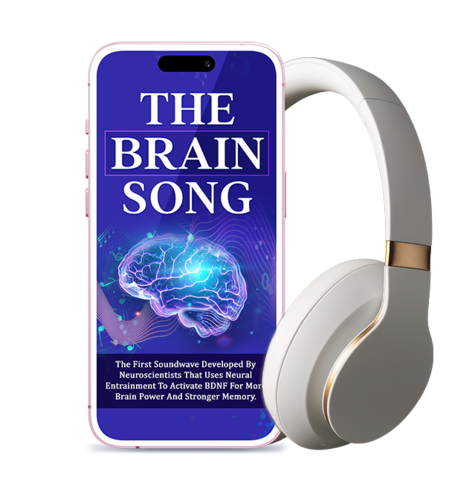
In most audio centered brain programs, the mechanism typically combines multiple layers such as tonal patterns, rhythmic elements, and psychoacoustic techniques. Some products also include guided structure or habit prompts, but at its heart, The Brain Song is presented as a listen and benefit protocol rather than a complex course.
Who The Brain Song is for and who should avoid it
Good fit profiles
- Knowledge workers who struggle with context switching and want a simpler focus anchor.
- Students and lifelong learners who want a consistent pre study ritual.
- Entrepreneurs and creators seeking a calmer baseline when workloads spike.
- People with busy routines who will not reliably do complicated training systems.
- Anyone already meditating who wants an additional sensory cue to deepen consistency.
When you should skip it or consult a professional first
- If you have a history of seizures or photosensitive or sound triggered neurological events, consult a clinician before using any brainwave or psychoacoustic audio.
- If you are currently under care for severe anxiety, panic disorder, or PTSD, introduce new stimulation carefully and consider professional guidance.
- If you expect a single track to replace sleep, nutrition, exercise, or medical care, your expectations will be miscalibrated.
The Brain Song Review: what it claims and what that means in real life
Most programs like this describe benefits using broad phrases such as improved focus, sharper memory, less stress, better mood, and more energy. The important part is translating those claims into measurable day to day outcomes.
Practical outcomes to look for
- Faster start to cognitively demanding work, meaning less procrastination friction.
- Longer focus blocks before you feel the urge to check notifications.
- Reduced mental noise which often presents as fewer racing thoughts.
- Better recovery after stressful meetings or long work sessions.
- More consistent routines because listening is easier than new multi step habits.
What you should not expect
- Instant photographic memory.
- Permanent transformation from one listening session.
- A guaranteed cure for any medical condition.
How brain focused audio can work: a clear technical explanation
To keep this The Brain Song Review grounded, here is the non mystical version of why listening protocols sometimes help people.
1) Attention is state dependent
Your ability to focus depends heavily on your internal state: arousal level, stress hormones, sleep debt, and sensory load. Audio can act as a state cue. When you listen to the same track under the same conditions, your brain learns the pattern and begins to associate it with a specific mode of operation such as study, deep work, or calm down time. This is conditioning plus context dependent memory in action.
2) Rhythmic entrainment and timing cues
Some audio products use rhythmic pulses or layered tones intended to encourage a steadier internal tempo. Even without making strong medical claims, rhythmic stimulation can influence breathing pace, muscle tension, and perceived stress. Those shifts can indirectly support cognition because the prefrontal cortex works better when the body is not in threat mode.
3) Reduction of distraction through auditory masking
A consistent audio bed can reduce the salience of background noise. In open offices, shared homes, or travel environments, masking can meaningfully improve task persistence. This is especially useful when you cannot control external conditions.
4) Habit stacking and implementation intention
If you make listening the first step of your work ritual, you create a reliable trigger. Many people fail at productivity systems because there is no cue. An audio track is a cue that travels with you. This is one of the most realistic benefits of The Brain Song: it can become the simplest possible starting ritual.
The Brain Song Review: what I like most
Low friction and realistic compliance
Most cognitive improvement advice is high effort: sleep perfectly, eat perfectly, exercise, meditate, journal, cold exposure, and so on. Those are valuable, but hard to sustain. The Brain Song is appealing because it targets the compliance problem. Listening is easy, and ease is a feature.
Works as a focus anchor
Even if you treat the track as a behavioral tool rather than a biological hack, it can function like a mental on switch. Over time, the same soundscape can become associated with getting into flow. This is similar to how some people use specific playlists for deep work, except more structured.
Portable and private
You can use it with headphones anywhere. No gear, no appointments, no public visibility. For many people, privacy lowers resistance and increases consistency.
The Brain Song Review: drawbacks and honest limitations
Results vary based on baseline stress and sleep
If you are chronically sleep deprived, stressed, and overloaded with caffeine, an audio track can still help, but you may interpret the benefit as subtle. People with a decent baseline often notice more immediate improvements in calm focus because there is less biological noise to fight.
Some users dislike certain tones
Psychoacoustic tracks can feel strange to certain listeners. If you are sensitive to repetitive sounds, you may need to adjust volume, use different headphones, or limit session length. Comfort matters. If you hate the sound, you will not stick with it.
It is not a replacement for clinical care
This is important: The Brain Song should be treated as a self optimization tool, not a medical treatment. If you have cognitive symptoms you are worried about, get proper evaluation.
How to use The Brain Song for the highest chance of noticing benefits
Most people sabotage audio programs by using them randomly. Consistency is the multiplier. If you want the best probability of results, use a simple protocol.
Step 1: Pick one primary use case
Choose one context first. Examples include deep work, studying, writing, or evening wind down. Do not try to force the track into every part of your day in the first week.
Step 2: Fix the time window
Anchor it to a stable time such as right after your morning coffee, before your first work block, or immediately after lunch when energy dips. A consistent window improves conditioning.
Step 3: Control volume and environment
Keep volume comfortable. Louder is not better. Aim for clear but not intrusive audio. If you can, reduce competing stimuli: close extra tabs, mute notifications, and place your phone out of reach.
Step 4: Track one metric for two weeks
Pick a single metric such as number of uninterrupted minutes, number of completed tasks, or perceived stress from 1 to 10. A small tracking habit prevents placebo confusion and helps you decide rationally.
If you want to check the official offer and see exactly what is included, click here to access The Brain Song now and review the program details before you start listening.
What you might feel in the first sessions
In a typical first week, experiences cluster into a few patterns:
- Immediate calm: you feel your shoulders drop, breathing slows, and you can start work faster.
- Neutral at first: nothing dramatic happens, but after several sessions you notice less resistance to beginning tasks.
- Sensory discomfort: you find the sound unusual. This does not mean it is harmful, but it does mean you should adjust how you use it.
The key is not to judge it in one session. Judge it on consistency plus outcome tracking.
The Brain Song Review: positioning versus alternatives
Compared to playlists and ambient music
Standard music works for many people, but it can also pull attention with lyrics, emotional association, or unexpected dynamics. A dedicated brain focused track is usually designed to be more stable and less attention grabbing. That stability is helpful for deep work.
Compared to meditation apps
Meditation apps build attentional skill over time but require active practice. The Brain Song is more passive. If you struggle to meditate consistently, passive listening may be a better on ramp. If you already meditate daily, this can complement your routine as an additional cue.
Compared to supplements
Supplements can be effective for some people, but they introduce variables like tolerance, timing, interactions, and cost stacking. Audio has fewer systemic variables. The tradeoff is that audio benefits may be more gradual and depend heavily on habit consistency.
Who tends to get the best results
Based on how listening protocols typically perform, the strongest results usually appear when:
- You use the track during the same activity daily.
- You pair listening with a single priority task, not multitasking chaos.
- You keep sessions long enough to settle in.
- You protect sleep and hydration enough to give your brain a fair baseline.
Conversion focused summary: should you try it?
Try The Brain Song if you want a low effort way to support a calmer, more focused state, especially if you need an easy ritual to start deep work or study sessions. If you are looking for a dramatic overnight transformation or a clinical treatment, this is not the right lens.
Pros
- Easy to implement and repeat
- Can become a strong focus cue through conditioning
- Useful for noisy environments and distraction masking
- Pairs well with existing productivity systems
Cons
- Not everyone likes the audio texture
- Benefits can be subtle without consistency
- Not a replacement for medical care
Ready to test it with a simple two week routine? Get instant access to The Brain Song Review offer page and start your first listening session today.
How to integrate it into a real workday without forcing it
Option A: The deep work entry ritual
Start the track, open only one task, and work in a single block. When the session ends, stop. This creates a clean boundary that reduces decision fatigue. Over time, your brain associates the sound with execution.
Option B: The afternoon reset
Many people hit a cognitive dip after lunch. Use the track as a reset instead of more caffeine. Pair it with a short walk beforehand if possible, then sit down and begin the most important task for the next hour.
Option C: The evening decompression bridge
If you carry work stress into the evening, a listening session can act as a bridge between work mode and personal time. This can improve sleep readiness for some users because rumination decreases.
The Brain Song Review: what to do if you do not notice anything
If you do not perceive benefits after a week, do not conclude it does not work yet. Instead, troubleshoot variables that commonly block results.
Check these three variables first
- Inconsistent timing: if you use it randomly, your brain does not build the association.
- Multitasking: if you are checking social apps while listening, you are training distraction, not focus.
- Volume too high: an intrusive volume creates irritation that defeats calm focus.
Make one adjustment at a time
Choose one change, run it for five sessions, then evaluate. This is the same logic used in performance engineering: isolate variables, then test.
When you are ready, you can access the official download and instructions here: get The Brain Song and follow the recommended listening routine consistently.
Final verdict
This The Brain Song Review comes down to one question: do you want a simple, portable listening tool that may help you enter a calmer, more focused state through consistent conditioning and sensory regulation? If yes, it is a rational experiment because the implementation cost is low and the upside is meaningful. Approach it like a two week test, measure one outcome, and decide based on your own data.
👉 See more related articles here: HostSonic2.0 Review: 7 Powerful Wins, 3 Brutal Gaps